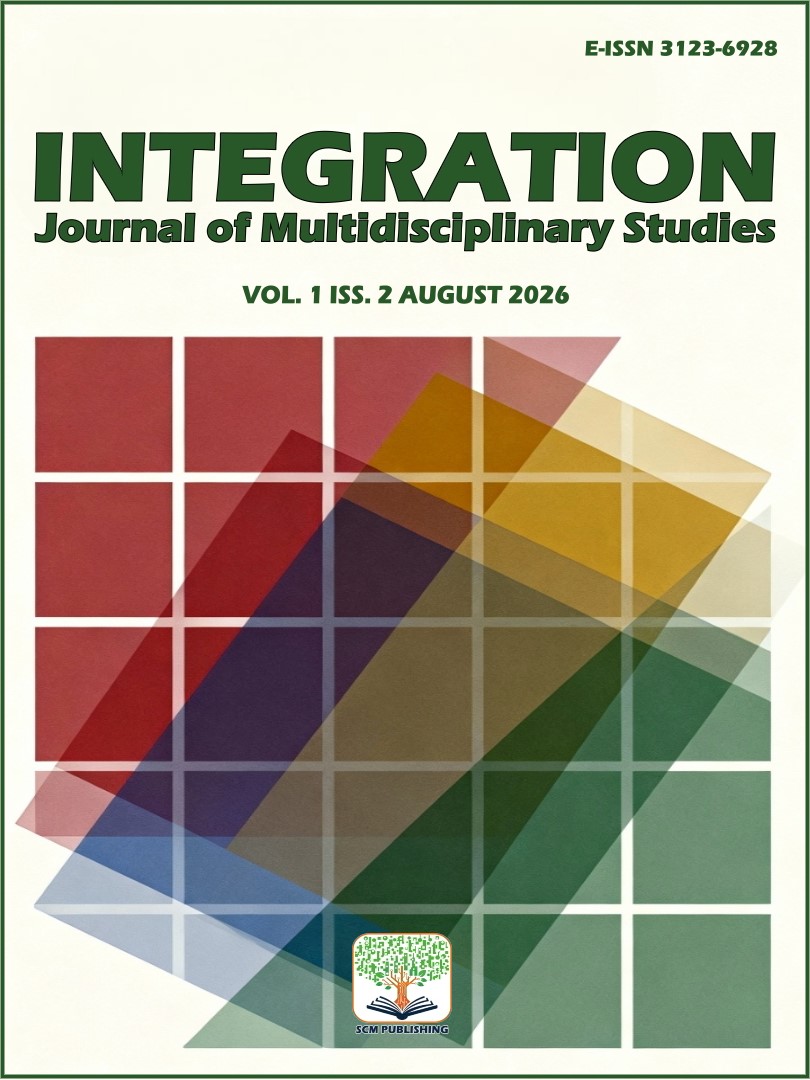
Learning needs analysis for differentiated instruction in Indonesian elementary education
DOI:
https://doi.org/10.65881/integration.v1i2.115Keywords:
learning needs, differentiated instruction, elementary education, merdeka curriculum, elementary schoolAbstract
Purpose: to analyze the learning needs of elementary school students and examine how learning needs analysis serves as the foundation for implementing differentiated instruction, as well as to identify the challenges and potential solutions for its implementation in Indonesian elementary education.
Method: this study used a narrative literature review with thematic analysis to synthesize research on elementary students’ learning needs and differentiated instruction from relevant academic sources.
Findings: elementary students’ learning needs are multidimensional, encompassing cognitive development, learning styles, readiness, and learning interests, which collectively shape differentiated instruction. The study shows that these aspects can be integrated into Tomlinson’s framework of content, process, product, and learning environment differentiation. However, implementation in Indonesian elementary schools still faces challenges such as limited teacher competence, time constraints, classroom heterogeneity, and inadequate resources.
Implications: a conceptual framework to support teachers in conducting learning needs analysis and implementing differentiated instruction in elementary schools. It also offers guidance for curriculum developers and future research to improve assessment tools and instructional strategies under the merdeka curriculum.
Originality: a comprehensive integration of cognitive development, learning styles, readiness, and learning interests into a unified framework of learning needs, which has not been fully synthesized in previous studies on differentiated instruction in elementary education.
Downloads
Downloads
Published
Issue
Section
License
Copyright (c) 2026 INTEGRATION: Journal of Multidisciplinary Studies

This work is licensed under a Creative Commons Attribution-ShareAlike 4.0 International License.
How to Cite
 Abstract views: 117
|
Abstract views: 117
|  PDF downloads: 92